Winning Patterns: How to Spot Behavioral Signals of Race Favorites and Use Them in the 4-Win Strategy
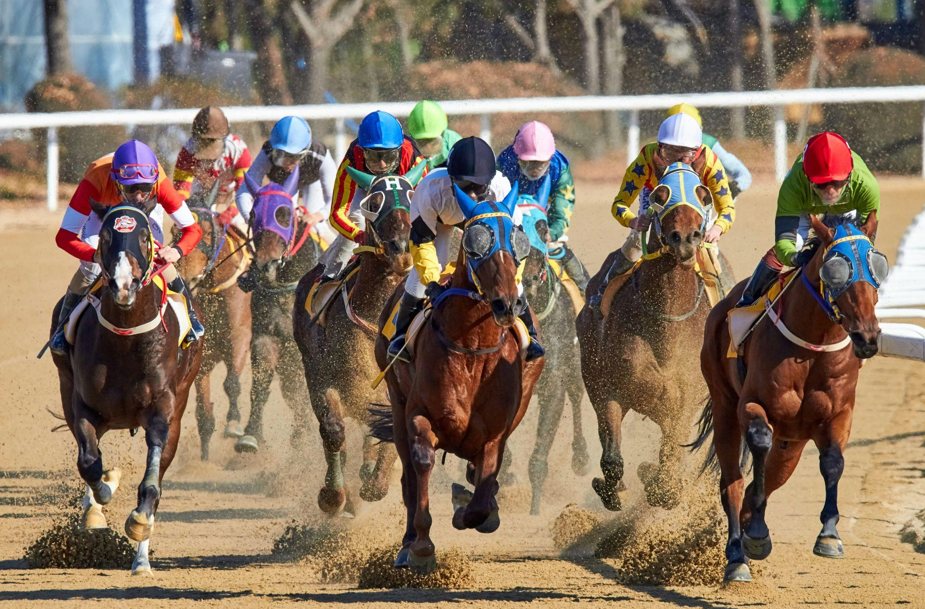
We stopped seeing favorites as dry numbers in a table long ago — they’ve become living patterns we can read, interpret, and use. In a world where every second can decide the fate of a bet, it’s behavioral signals that offer the kind of edge that statistics alone can’t provide.
The Silent Indicators: What Favorites Reveal Before the Start
True favorites behave differently even before stepping onto the track. There’s a whole set of micro-signals that can be recognized if you know where to look. Visual patterns like rhythmic tail movement, steady gait, and lack of sudden head turns — all point to inner readiness.
It was in this context that we first tested the Luckystar platform, which allowed us to integrate behavioral analysis into the 4 Win strategy. Thanks to its flexible interface and precise analytics, we were able to track signals in real time and adjust bets based on the behavioral patterns of specific horses.
That’s because odds reflect expectations, but not always reality. We’ve seen favorites with 2.5 odds lose because they were tense, off rhythm, or simply out of form. Behavioral analysis helped us go beyond the numbers and spot what statistics don’t show.
Here are the key behavioral signals we’ve learned to recognize before the start:
- Stable breathing and no foam around the mouth;
- Even gait without twitching of the hind legs;
- No aggressive reactions to the jockey;
- Focused gaze and absence of erratic head movements.
All of this is especially important when choosing the 2/4 Win strategy, where behavioral analysis helps eliminate unstable contenders and focus on those truly ready to race.
Below is a table of behavioral patterns most commonly correlated with victory:
| Behavioral pattern | Risk factor |
| Calm tail movement | Low |
| Steady breathing | Medium |
| Focused eye tracking | Low |
| No reaction to the crowd | Medium |
| Smooth gait transitions | Low |
| Lack of mouth foam | High |
| Controlled ear movement | Medium |
| No tail flicking | Low |
These insights were gathered from numerous races, including both local and international events, and we’ve personally confirmed that behavioral signals offer a more accurate picture of readiness than bookmaker odds — especially under unstable weather conditions.
Timing the Bet: When Behavioral Analysis Works Best
Behavioral signals aren’t a universal key but a tool that works best at specific moments. We’ve identified three time windows when behavioral analysis delivers maximum value:
- 15–10 minutes before the start, when horses begin their warm-up;
- 5 minutes before the start, during final preparations;
- At the moment of entering the starting position, when reactions to the jockey and track are visible.
And while these windows offer the richest insights, it’s important to remember that behavioral analysis is a supplement, not a substitute for strategy. It enhances the 4 Win approach but doesn’t eliminate the need to consider distance, weather conditions, and jockey form.
We tested the behavioral approach alongside the classic 4-Win strategy, and the results were impressive. When selecting four horses with the most stable behavioral signals, the success rate of bets increased by ~27% compared to selections based solely on odds.
Here’s how it works in practice:
- Start by selecting 6–8 horses with acceptable odds;
- Filter out those showing unstable behavior;
- From the remaining group, choose 4 with the strongest positive patterns;
- Place the bet using the 4 Win scheme, factoring in risk distribution.
In this way, behavioral analysis becomes a filter that removes random or unstable options and focuses attention on those truly ready to win.
Final Thoughts
We’re not offering magic or a replacement for odds — but an enhancement. This approach reveals what’s hidden behind the numbers and enables decisions based on a horse’s actual readiness to race, because its behavioral signals that provide the edge statistics alone can’t always deliver.