The Craftsmanship and Design Philosophy Behind a Murano Chandelier
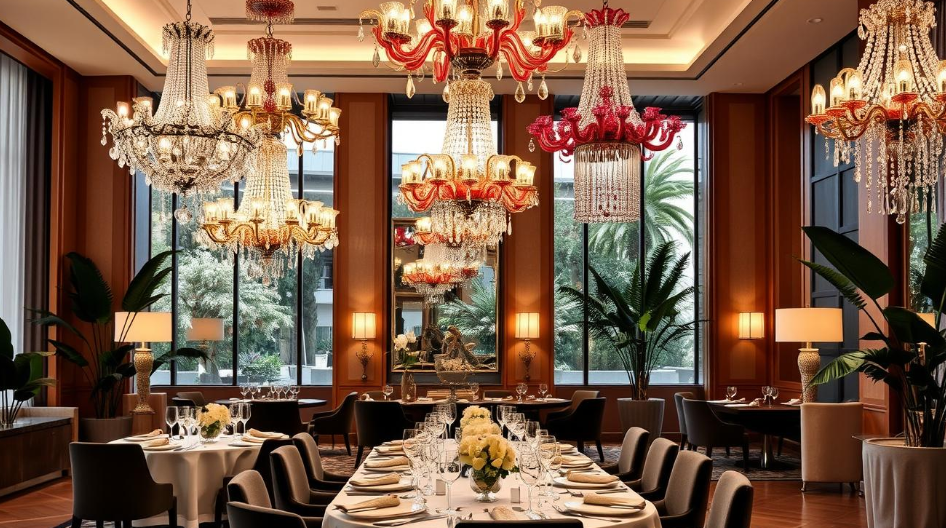
The creation of a murano chandelier is a meticulous process that reflects centuries of glassmaking tradition and artistic philosophy. Each chandelier is the result of technical expertise, aesthetic sensitivity, and a deep respect for heritage.
The process begins with molten glass heated to extremely high temperatures. At this stage, artisans must work with precision and speed, shaping the material using traditional tools and techniques. Timing is critical, as glass cools quickly and allows little margin for error.
Each component of a Murano chandelier is crafted individually. Decorative arms, ornamental details, and lighting elements are shaped separately, allowing for intricate designs and refined proportions. Once formed, the pieces are carefully cooled to ensure structural stability and longevity.
Assembly is a crucial phase that requires both technical skill and artistic judgment. The individual components must be combined into a balanced and harmonious structure. Proportions, symmetry, and visual flow are carefully evaluated to ensure the chandelier functions as both a lighting fixture and a sculptural object.
What sets Murano craftsmanship apart is the absence of automation. Every step relies on human expertise rather than industrial processes. This approach guarantees uniqueness and ensures that each chandelier reflects the artisan’s personal touch.
See also: Complete Guide to Lie Detector Tests in Virginia
Design philosophy plays an equally important role. Murano chandeliers are created with the intention of enhancing spaces rather than dominating them. Whether bold or understated, each design seeks harmony between light, glass, and environment.
In contemporary interiors, Murano chandeliers represent a bridge between tradition and innovation. They preserve historical techniques while embracing modern design sensibilities. This balance ensures their continued relevance in a constantly evolving design landscape.
A murano chandelier is ultimately an expression of artistry and intention—an object that illuminates not only spaces, but also the enduring value of craftsmanship.