Selecting the Ideal High Pressure Homogenizer Manufacturer
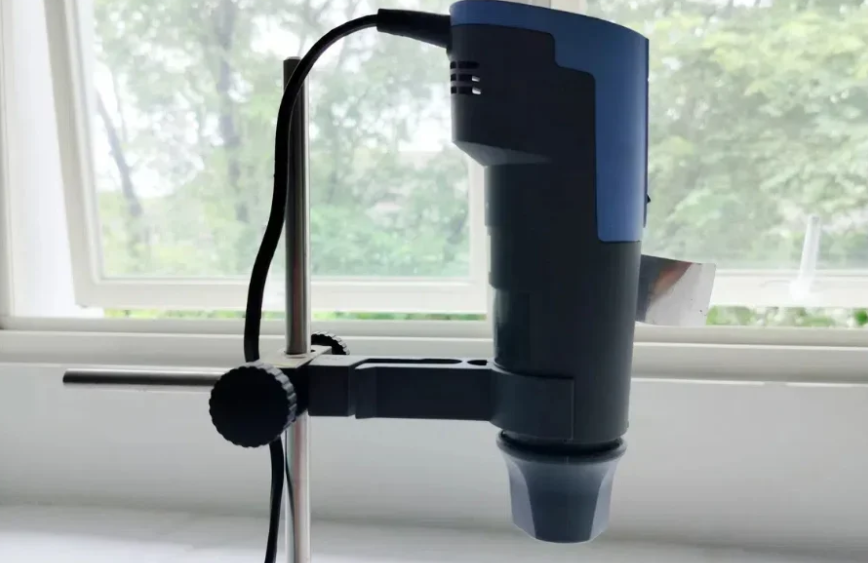
Introduction to High Pressure Homogenizers
High pressure homogenizers are indispensable instruments in various industrial and laboratory applications. They are designed to reduce particle size, achieve uniform dispersion, and create stable emulsions. These systems operate by forcing liquids through narrow gaps at extremely high pressures, ensuring consistent product quality and performance. Choosing a reliable high pressure homogenizer manufacturer is essential to secure durable equipment and technical support for diverse applications.
Importance of a Reputable Manufacturer
Working with a trusted high pressure homogenizer manufacturer offers several advantages:
- Quality Assurance: Ensures robust construction and long-term performance.
- Technical Support: Provides installation guidance, calibration, and troubleshooting assistance.
- Customization: Supplies units tailored to specific industrial or laboratory needs.
- Compliance: Adherence to international quality and safety standards.
- Training: Educates staff on correct operation and maintenance procedures.
Selecting the right manufacturer impacts not only the equipment’s lifespan but also the efficiency and accuracy of processing operations.
See also: Optical Waveguide: A Key Technology in Modern Communication
Key Features of High Pressure Homogenizers
When evaluating options, high pressure homogenizer manufacturer should focus on features that affect performance and productivity:
- Pressure Range: Determines the ability to handle tough emulsification or particle size reduction tasks.
- Flow Rate: Critical for balancing processing speed and uniformity.
- Material Construction: Stainless steel components resist corrosion and contamination.
- Cooling Systems: Prevent heat-induced damage during high-pressure operations.
- Automation Capabilities: Modern units may include programmable controls and monitoring systems.
Understanding these factors helps in selecting a manufacturer that offers equipment meeting precise technical and operational requirements.
Applications Across Industries
High pressure homogenizers are widely applied in multiple industries:
- Pharmaceuticals: For drug formulation, nanoparticle preparation, and vaccine production.
- Food and Beverage: Used in dairy products, sauces, and beverages to improve texture and stability.
- Cosmetics: Ensures consistent emulsion formation in creams, lotions, and personal care products.
- Chemical Processing: For polymer dispersion, emulsions, and nano-material preparation.
- Biotechnology: Cell disruption and extraction of intracellular compounds.
A competent manufacturer will provide equipment suited for these varied applications, alongside guidance on optimizing process parameters.
Advantages of Partnering with an Experienced Manufacturer
Collaborating with an established high pressure homogenizer manufacturer ensures:
- Reliable Performance: Units are rigorously tested before delivery.
- After-Sales Support: Provides maintenance, spare parts, and rapid technical assistance.
- Access to Advanced Technology: Incorporates latest improvements in pressure control and material handling.
- Custom Solutions: Designs tailored systems based on specific production requirements.
- Training and Documentation: Detailed manuals and staff training to maximize equipment efficiency.
This partnership reduces downtime and increases process efficiency while maintaining product quality.
Evaluating Manufacturers
Selecting the right manufacturer involves a thorough assessment of several key factors:
- Product Range: Availability of models suitable for laboratory, pilot, and industrial-scale operations.
- Reputation: Verified through client feedback, case studies, and industry recognition.
- Service and Warranty: Comprehensive coverage for repairs and preventive maintenance.
- Compliance and Certification: ISO, CE, or other certifications indicating quality standards.
- Cost Efficiency: Balancing initial investment with long-term operational savings.
Careful evaluation ensures the selected manufacturer aligns with operational needs and quality expectations.
Maintenance and Best Practices
Proper maintenance is essential for long-term performance of high pressure homogenizers:
- Regular Inspection: Check seals, valves, and high-pressure components.
- Cleaning: Avoid contamination and maintain hygiene standards.
- Lubrication: Keep moving parts in optimal condition to prevent wear.
- Calibration: Ensure pressure and flow readings remain accurate.
- Environmental Considerations: Operate in stable temperature and humidity conditions to maintain reliability.
Implementing these practices reduces the risk of equipment failure and maintains consistent processing results.
Technological Advancements
High pressure homogenizer manufacturers continue to innovate, offering features that enhance efficiency and process control:
- Automated Controls: Programmable settings for precise pressure and flow management.
- Energy Efficiency: Reduced energy consumption without compromising performance.
- Advanced Materials: Enhanced durability and chemical resistance.
- Integrated Monitoring Systems: Real-time feedback on pressure, temperature, and product quality.
- High-Throughput Models: Capable of handling large volumes without sacrificing uniformity.
Suppliers offering these advanced features enable industries to stay competitive and meet rigorous production standards.
Economic Considerations
Investing in high pressure homogenizers requires careful cost-benefit analysis:
- Upfront Investment vs Longevity: High-quality units often provide greater long-term value.
- Operational Efficiency: Automated systems reduce labor and processing time.
- Maintenance Costs: Suppliers with strong after-sales support minimize unexpected expenses.
- Return on Investment: Reliable, efficient equipment increases productivity and ensures product consistency.
A clear understanding of these economic factors helps businesses make informed procurement decisions.
Conclusion
Partnering with a reliable high pressure homogenizer manufacturer is crucial for industries and laboratories seeking consistent, high-quality processing results. A reputable manufacturer provides not only durable, precise equipment but also essential technical support, training, and ongoing service.
Evaluating manufacturers based on product quality, reputation, service capabilities, and technological offerings ensures long-term operational success. Selecting the right partner allows organizations to enhance efficiency, maintain product standards, and remain competitive in an increasingly demanding market.