Complete Guide to Lie Detector Tests in Virginia
Introduction
Lie detector tests more formally known as polygraph tests are surrounded by both fascination and controversy. In Virginia, these tests often come up in criminal investigations, employment disputes, and personal matters where trust is at stake. Some people see them as a powerful tool for finding the truth, while others question their accuracy and fairness. The complete picture is more complex. This guide takes a deep dive into everything you need to know about polygraph tests in Virginia: how they work, when they are used, what the law says, and what you should keep in mind if you ever encounter one.
What Is a Polygraph Test?
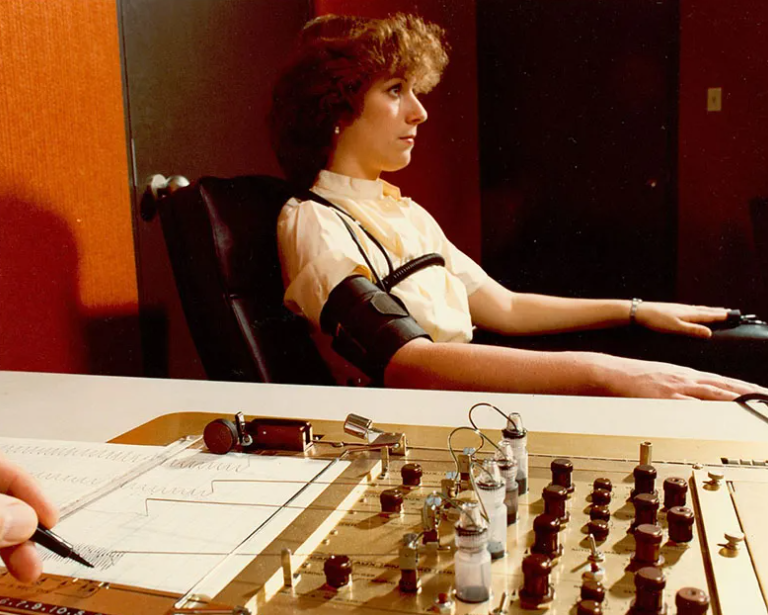
A polygraph test is designed to measure physical responses in the body when a person is asked a series of questions. Sensors attached to the body record breathing patterns, pulse, blood pressure, and perspiration levels. The theory behind the test is that when someone is deceptive, their stress levels rise, producing measurable changes in these physiological responses. While polygraph tests are often called “lie detector tests,” they do not directly detect lies. Instead, they detect changes in the body that may indicate stress or anxiety. This difference is key to understanding both the usefulness and limitations of polygraphs in Virginia.
The Testing Process Explained
Taking a lie detector test in Virginia usually follows a three-stage process. First is the pre-test phase, where the examiner interviews the person, explains how the test works, and reviews the questions to be asked. This stage also establishes a baseline of normal physiological responses. The second stage is the test itself, during which the individual answers a mix of neutral, control, and relevant questions while sensors measure their body’s reactions. Finally, the post-test phase involves the examiner analyzing the data and discussing the results. While this process may appear straightforward, its accuracy depends heavily on the examiner’s training, the test environment, and the subject’s state of mind.
Polygraph Use in Virginia Law Enforcement
In Virginia, polygraph tests are primarily used as investigative tools. Police and investigators rely on them to help verify statements, identify inconsistencies, and guide further questioning. Importantly, polygraph results are not used as proof of guilt. Instead, they serve as supporting information that can shape an investigation. For example, a suspect who passes a polygraph might strengthen their credibility with investigators, while a failed test might prompt further scrutiny. However, whether someone agrees to take a test or not cannot be legally held against them in court.
See also: The Impact of Wearable Fitness Technology on Health
Are Polygraph Results Admissible in Virginia Courts?
The legal standing of polygraph tests in Virginia is a critical point of discussion. Generally, the results of lie detector tests are not admissible in court. Virginia courts, like most across the country, view polygraph results as unreliable due to questions about scientific validity. In rare cases, results may be admitted if both the prosecution and defense agree to it, but this is highly unusual. Judges and attorneys typically prefer to rely on direct evidence and witness testimony instead of polygraph data, which is seen as more of an investigative tool than a courtroom standard.
Polygraphs in Employment Settings
For employees and job seekers in Virginia, the rules regarding polygraph tests are clear. Under federal law—the Employee Polygraph Protection Act—most employers cannot require or request a lie detector test. There are exceptions for certain jobs involving security, law enforcement, or sensitive industries like pharmaceuticals. Even when polygraph tests are legally permitted, employees must be informed in writing, and their participation must be voluntary. Results cannot be shared outside of the employer-employee relationship without consent. These protections are designed to ensure fairness and prevent misuse of polygraph testing in the workplace.
Private and Personal Polygraph Services in Virginia
Outside of law enforcement and employment, polygraph services are often used in private settings. Virginians sometimes turn to lie detector tests in personal situations, such as resolving disputes in relationships, addressing suspicions of infidelity, or clarifying conflicts within families. While these results have no legal force, they can carry emotional weight. A passed test might restore trust, while a failed one could deepen doubts. It is important for individuals to approach private polygraph services with an understanding of both their potential benefits and limitations.
The Accuracy Debate
One of the biggest controversies surrounding polygraph tests in Virginia and beyond is accuracy. Advocates argue that under controlled conditions, polygraphs can be highly reliable, with accuracy rates sometimes cited as between 80% and 90%. Critics, however, highlight that stress, anxiety, nervousness, or medical conditions can all trigger false results. Some individuals may also deliberately manipulate their physiological responses to influence the test. Because polygraphs measure stress reactions rather than lies, there is always a margin of error. This is why Virginia courts and lawmakers remain cautious about their use as evidence.
Ethical Considerations in Polygraph Use
Ethics play a major role in how polygraph tests are conducted and interpreted in Virginia. For a polygraph to be ethically sound, the person being tested must give informed, voluntary consent. No one should feel coerced into taking a test, especially given its limitations. There is also the issue of confidentiality—results should not be shared without permission. Misuse of polygraph results can damage reputations, harm relationships, and even affect someone’s career. Ethical practices ensure that polygraphs are used responsibly and fairly, without causing unnecessary harm.
Finding a Qualified Examiner in Virginia
If someone in Virginia decides to take a lie detector test, choosing a qualified examiner is essential. A professional examiner should have certification, training, and experience with polygraph instruments. Reputable examiners follow strict guidelines, use standardized question techniques, and interpret results carefully. An untrained or careless examiner could produce misleading results, leading to unfair conclusions. Virginians seeking private polygraph services should always verify an examiner’s credentials and reputation before proceeding.
Public Perception vs. Reality
Public perception of polygraph tests often differs from reality. Movies and television shows frequently depict lie detectors as infallible truth machines. In real life, polygraphs are far less definitive. They are tools that measure stress, not deception. In Virginia, many people approach them with high expectations, only to learn that results are not always clear-cut. Understanding the reality of polygraphs helps manage expectations and prevents disappointment or overreliance on results that may be open to interpretation.
The Future of Lie Detection in Virginia
While polygraphs are currently the standard, the field of lie detection is evolving. Researchers are exploring technologies such as brainwave monitoring, artificial intelligence, and biometric analysis as possible alternatives. These emerging methods may eventually offer more reliable ways of detecting deception. If these technologies prove scientifically valid, Virginia courts and lawmakers may reconsider the role of lie detection in investigations and trials. For now, though, polygraphs remain the most widely used tool, even with their imperfections.
Location in Virginia
- Virginia Beach – 780 Lynnhaven Pkwy #400, Virginia Beach, VA 23452
- Norfolk – Dominion Tower, 999 Waterside Dr, & 2600, Norfolk, VA 23510
- Chesapeake – 1545 Crossways Blvd, Chesapeake, VA 23320
Conclusion
Polygraph tests in Virginia continue to spark debate, balancing their usefulness with their limitations. They play valuable roles in investigations, limited employment contexts, and personal situations, but they are not legally accepted as definitive evidence in court. While many Virginians turn to lie detector tests for answers, it is important to remember that polygraphs measure stress—not absolute truth. As science advances, new forms of lie detection may shape the future, but for now, the polygraph remains a tool of guidance rather than certainty. Understanding this balance allows Virginians to use polygraphs responsibly, without overstating their power.
Location in Virginia
- Virginia Beach – 780 Lynnhaven Pkwy #400, Virginia Beach, VA 23452
- Norfolk – Dominion Tower, 999 Waterside Dr, & 2600, Norfolk, VA 23510
- Chesapeake – 1545 Crossways Blvd, Chesapeake, VA 23320